Stewart County · population 323 — served by J-Wrapz LLC, Clarksville's WFR member shop, about 19 miles away.
Cumberland City is a Tennessee town in Stewart County — population 323 in the 2020 Census. The nearest WFR shop is J-Wrapz LLC in Clarksville, about 19 miles northeast of Cumberland City.
It is quiet, rural Stewart County: houses, churches, and farmland, with cars parked outside under open sky.
Cumberland City is country driving: two-lane state routes, farm and work trucks, and family cars that park outside on gravel and grass, in full Tennessee sun most of the day. There is no shaded parking deck in a community like this — a vehicle's interior takes the heat directly, and so does the driver on every run toward Clarksville. That is exactly the work automotive window film does: cut the heat coming through the glass, take the glare down on bright country roads, and keep dashboards, seats, and interiors from cooking and fading under unshaded sun.
Cumberland City has no tint shop of its own — the town sits inside J-Wrapz LLC's service circle and is served from the shop's Clarksville studio, about 19 miles northeast of Cumberland City. Below, you can preview tint shades on your own vehicle in the Concept Creator, check them against Tennessee's legal limits, and go straight to the shop's WFR pages or call the shop direct.
See tint shades on your own vehicle before you book anything — then check the shade you like against Tennessee's legal limits in the law band on this page: 35% VLT MAX on every window past the windshield.
See it before you buy it
Drag your thumb across the colors — the car wears whatever is under your thumb. The bar above the car is paint only, white to black. The two tall bars beside the car run the glass — one for the front doors, one for the rear windows — slide each one up and down to change that glass on its own.
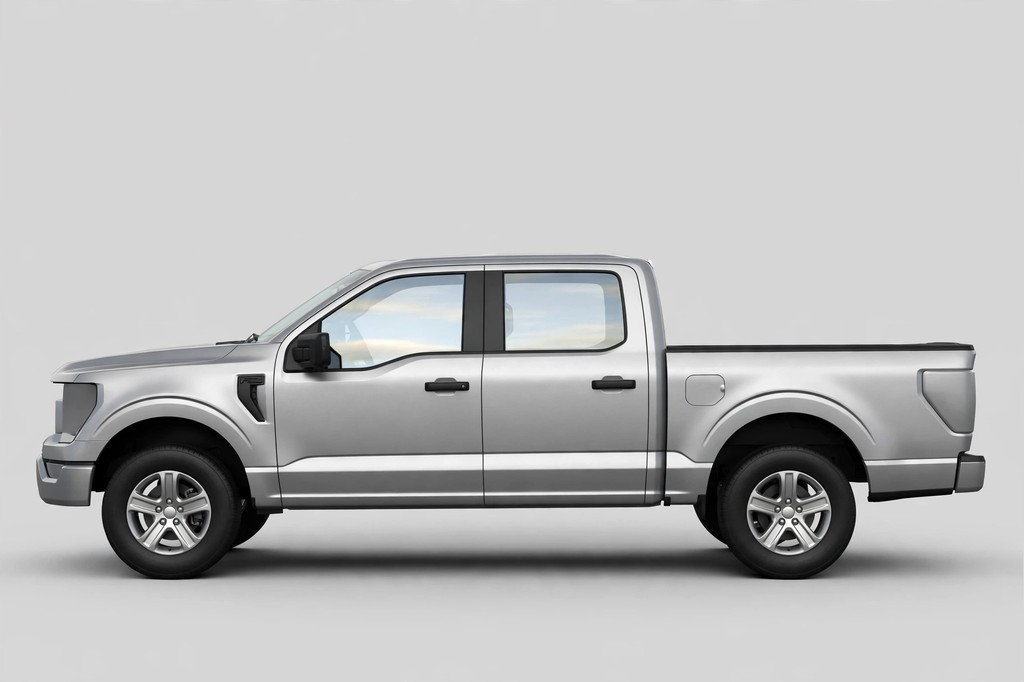
Shades and colors are approximations — your shop confirms the exact film and finish.
That spectrum holds thousands of colors — if you can name it, it’s in there. Each tall bar beside the car runs its own glass from clear at the top to limo dark at the bottom, and moving one never touches the other.
Tennessee law governs tinted vehicle glass the same way in every town in the state: front side windows 35% VLT MAX, rear side windows 35% VLT MAX, rear windshield 35% VLT MAX — one line on every window past the windshield. Material on the windshield itself may not reduce the light through it below 70%; the manufacturer’s standard installed shade band is the one exception (Tenn. Code § 55-9-107). Every professional installer affixes a compliance label to the driver’s window. Figures are stated in VLT MAX — the darkest film the law allows. The full law in plain language is on the Tennessee tint-law page in the WFR tint-law library.
Cumberland City is served by J-Wrapz LLC from Clarksville, TN — about 19 miles away. J-Wrapz LLC has no storefront in Cumberland City; the work is done at the Clarksville shop.
J-Wrapz LLC on WFR Call (907) 347-1465Yes — Tennessee's route runs through the Commissioner of Safety: a physician's statement certifying that a medical condition adversely affected by ultraviolet light requires a greater reduction of light. The Department of Safety's medical review board evaluates it, and if the board finds the exemption warranted, the commissioner supplies a certificate or decal stating the degree of exemption, displayed in the vehicle.
Dyed: a colored layer does the work — cheapest, looks dark, blocks the least heat, fades first. Carbon: carbon particles absorb heat — better rejection, stays color-true, and no metal in it, so no signal trouble. Ceramic: ceramic particles go after the heat-carrying infrared — the most heat rejection of the three, even in light shades.
Yes. The law measures the combination — glass plus film together. Factory privacy glass already darkens the window, so film added over it has to be lighter to keep the total no darker than your state's VLT MAX.
False. Darkness is about light, not heat. A light ceramic film can reject more heat than a blacked-out dyed film, because what blocks heat is the film's construction — carbon and ceramic do that work, not the shade.
Own a window film shop in Tennessee? The Shop Owner Roadmap lays out how WFR member shops get pages like this one — built for their town and the towns around them.
The Shop Owner Roadmap